Most people surprisingly don’t really know what an anonymous SIM card is. Almost all of us have at some point looked for a way to communicate without leaving too many traces behind. Sometimes it’s for privacy, sometimes for a temporary need, and sometimes simply because we don’t feel like involving our personal phone number. And that’s exactly where the anonymous SIM card comes in.
Table of Contents
For many people, the term “anonymous SIM card” is also associated with the less-talked-about side of the story: a world of grey-area usage, evasion, double identities, and things no one is really eager to say out loud. Immediately, questions come up — what’s legal, what isn’t, who actually uses this, and why does it even exist?

But what does an anonymous SIM card really mean, who is it suitable for, and what’s important to know before actually using one? Precisely because of this fog, it’s important to bring some order to the subject, understand what’s real and what’s just a myth, and look at it openly, without fear and without unnecessary drama.
What Is It Good For?
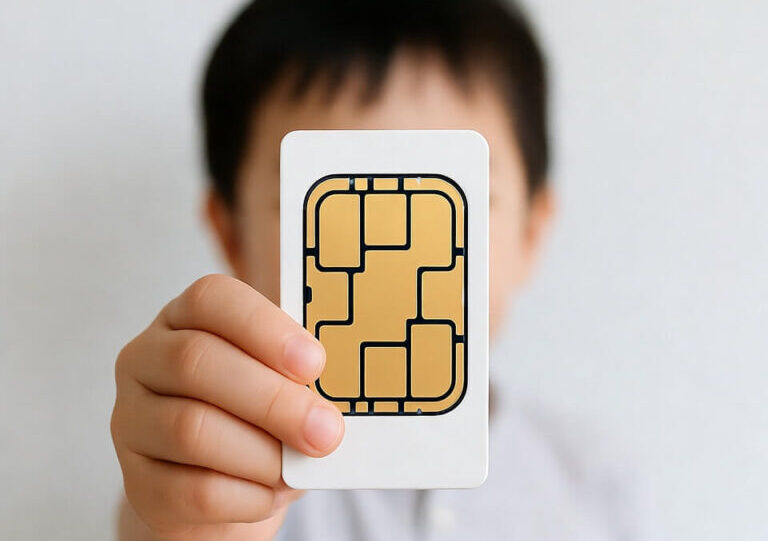
An anonymous SIM card is a SIM you can buy and activate without fully identifying yourself with an ID card or full personal details. In practice, this means the phone number is not directly linked to your name in the mobile provider’s system in the usual way. This gives you more privacy from people and apps — but it does not mean complete anonymity.
So why do people even look for an anonymous SIM card? Many people want to keep their personal number private and not spread it everywhere. Others need a temporary line for a short-term project, for posting an ad, for deliveries, or for traveling abroad. And some simply want to feel a bit more in control of their privacy.
On the other hand, for someone who needs a long-term permanent line, or for services like banking, two-factor authentication, and other sensitive uses — this is usually not the right solution.
The Dark Side of Anonymous SIM Cards
An anonymous SIM card always touches on a less comfortable area to talk about. Some people use it to avoid responsibility, open fake accounts, harass others, scam people, or hide behind a temporary identity. Because of this relative anonymity, it has gained a reputation as a tool that can also serve problematic purposes — people who exploit the gap between technology and the law.
Anonymous SIM cards are also connected to the world of fraud and small-scale crime: phishing messages, threatening calls, impersonation of service representatives — all those tricks that unfortunately many of us already recognize. Many of these actions over the years have been carried out using temporary phone lines that are harder to trace in real time. This is exactly where the dark side meets innocent people who get hurt without even understanding how it happened. You can visit the Israeli National Cyber Directorate website for more useful information about phishing attacks.
Anonymous SIM cards can also create a false sense of security for some people — as if anything can be done without consequences. In reality, this is far from the truth. In many cases, it is possible to identify the person behind the number, especially when illegal activity is involved. It’s important to understand that the anonymity here is limited, temporary, and definitely not immune to serious legal trouble.
Frequently Asked Questions
Is an Anonymous SIM Card Really Legal in Israel?
In Israel, there is clear regulation regarding subscriber identification. In most cases, it is not possible to remain fully anonymous over time. In other words, you may be able to use temporary solutions, but eventually some level of identification is required.
What should you check before buying an anonymous SIM card?
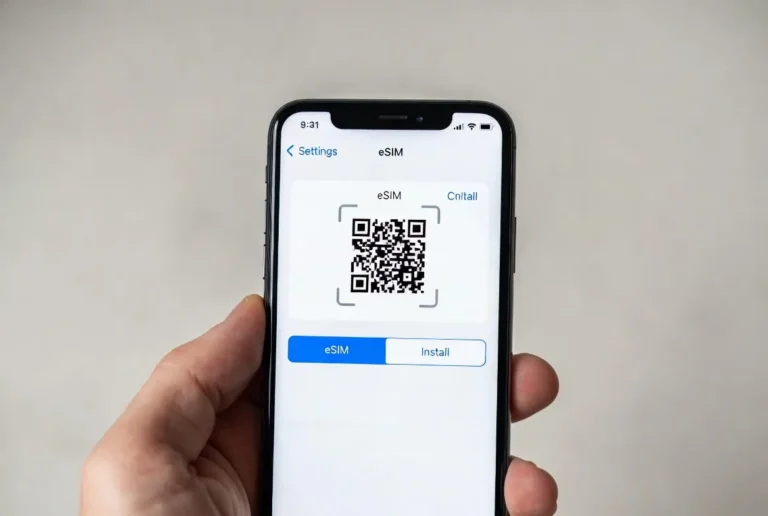
It’s important to check whether the SIM supports calls or only data, what the validity period of the plan is, whether it can be recharged, and how easy it actually is to activate and use. In some cases, it’s much simpler to just top up an existing prepaid line instead of opening a new one each time.
Does an anonymous SIM card really protect your privacy?
When it comes to people, websites, and social networks — the answer is yes. But with official authorities, the level of anonymity is limited. It’s a useful tool for everyday privacy, not for completely disappearing from the system.